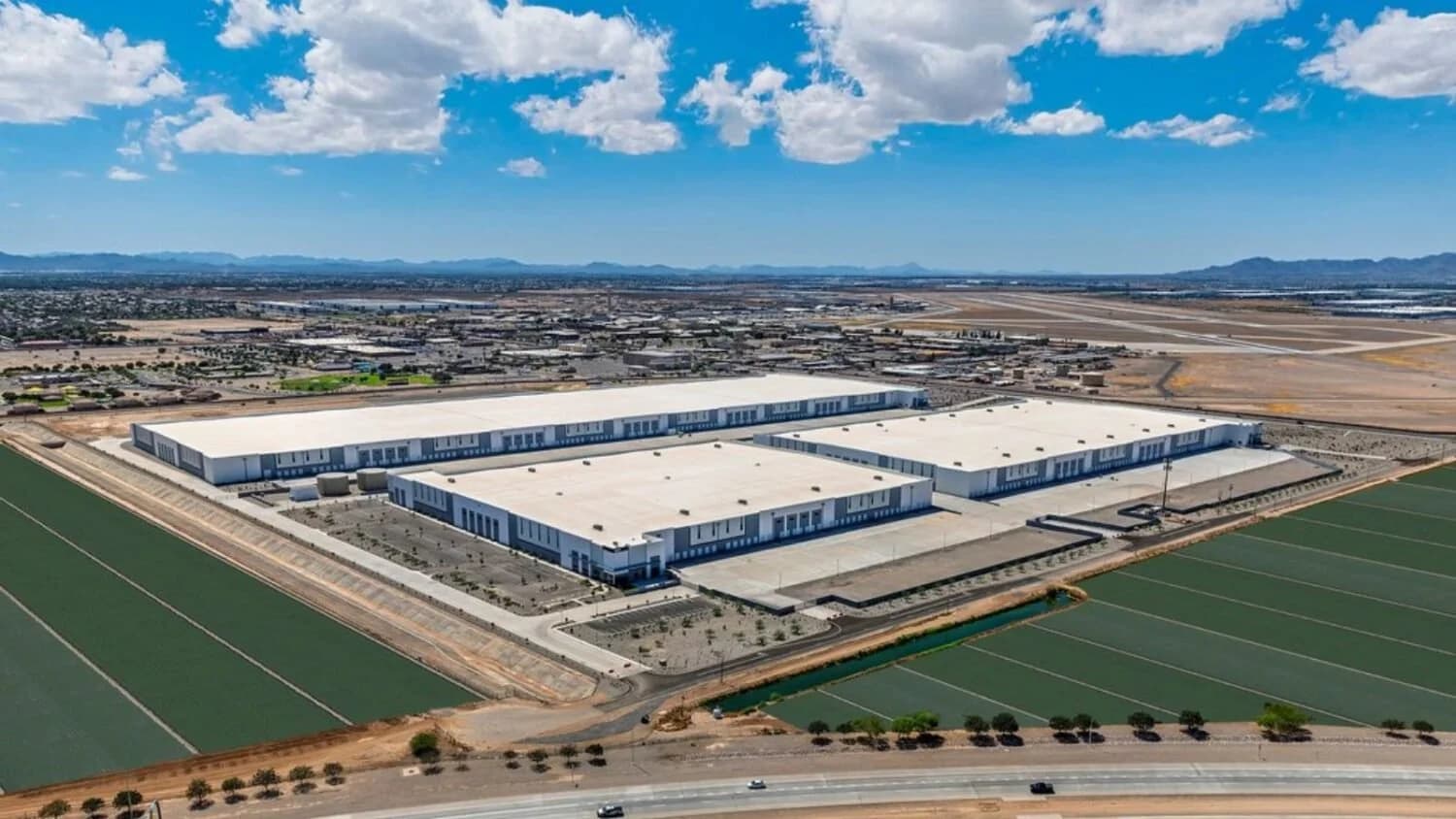
The Phoenix industrial market concluded 2025 by demonstrating its maturity as a premier global logistics and manufacturing hub. At vacdevelopment.com, we have been tracking the transition from the hyper-growth of the early 2020s into a more disciplined, institutional-grade market. As we move into 2026, the data paints a picture of a market effectively "digesting" a record supply wave while maintaining robust underlying demand.
A Historic Year for Absorption
Despite the narrative of a cooling national economy, Phoenix recorded 3.3 million square feet of net absorption in the fourth quarter alone. This performance contributed to an annual total of 15.9 million square feet, the third-highest year for net absorption in the city's history. This demand is increasingly driven by the "Silicon Desert" phenomenon, led by the $100 billion investment from Taiwan Semiconductor Manufacturing Company (TSMC) and its expanding supplier network.
Vacancy and Supply Rebalancing
Overall vacancy rates ended the year between 11.0% and 13.7%, reflecting a temporary supply-demand imbalance caused by the delivery of over 92 million square feet in the last three years. However, the construction pipeline is contracting sharply. Deliveries in Q4 were just 3.5 million square feet, a 54% decline compared to 2024. This pull-back in new groundbreakings suggests that vacancy pressures will begin to ease throughout 2026 as available space is absorbed.
The Flight to Quality: Class A, B, and C
The market is currently defined by a profound "flight to quality."
-
Class A: Modern facilities built since 2022 are commanding direct average asking rents of $1.51 PSF NNN. These assets, featuring high clear heights and heavy power, represent the vast majority of current leasing and investment activity.
-
Class B: Functional small-bay and infill properties remain exceptionally resilient, with vacancy rates in high-demand corridors staying as low as 4.8%.
-
Class C: Properties with clear heights below 20 feet or inadequate loading capacity are struggling to stay relevant, with many being targeted for redevelopment or conversion.
Investment and Construction Economics
Investment sentiment remains high, with $5.6 billion in transactions recorded over the past year. Notable Q4 deals include Walmart's acquisition of a 1.27 million-square-foot facility in Glendale for $152 million. Meanwhile, construction costs for large-scale warehouses have stabilized at approximately $77 PSF, while specialized cold storage facilities can cost between $130 and $350 PSF. Landlords are also offering generous Tenant Improvement (TI) allowances, often ranging from $50 to $70 PSF for high-growth corridors, to secure credit tenants.
Strategic Outlook
As the construction pipeline thins and Phoenix's strategic importance as a relief valve for California ports grows, we expect a rent growth rebound by late 2026. For developers and investors, the focus has shifted toward infill sites and logistics-adjacent locations that provide long-term utility for the semiconductor and aerospace sectors.
Frequently Asked Questions
- What is the current vacancy rate for Phoenix industrial real estate?
- Overall vacancy ended 2025 between 11.0% and 13.7%, elevated by the delivery of over 92 million sq. ft. over the prior three years. Class B infill and small-bay properties are significantly tighter, with vacancy as low as 4.8% in high-demand corridors.
- Is the Phoenix industrial market still growing in 2025?
- Yes. Net absorption reached 15.9 million sq. ft. for 2025, the third-highest annual total in Phoenix history. Demand is increasingly driven by TSMC's $100 billion semiconductor investment and its expanding supplier network, which has created a cluster effect in the market.
- What are industrial construction costs in Phoenix?
- Large-scale warehouse construction has stabilized at approximately $77 PSF. Specialized cold storage facilities range from $130 to $350 PSF. Landlords are offering tenant improvement allowances of $50 to $70 PSF in high-growth corridors to attract credit tenants.
- What is the outlook for Phoenix industrial rents in 2026?
- With the construction pipeline contracting sharply (Q4 2024 deliveries down 54%) and demand anchored by the semiconductor sector, rent growth is expected to rebound by late 2026 as the market absorbs the current oversupply.