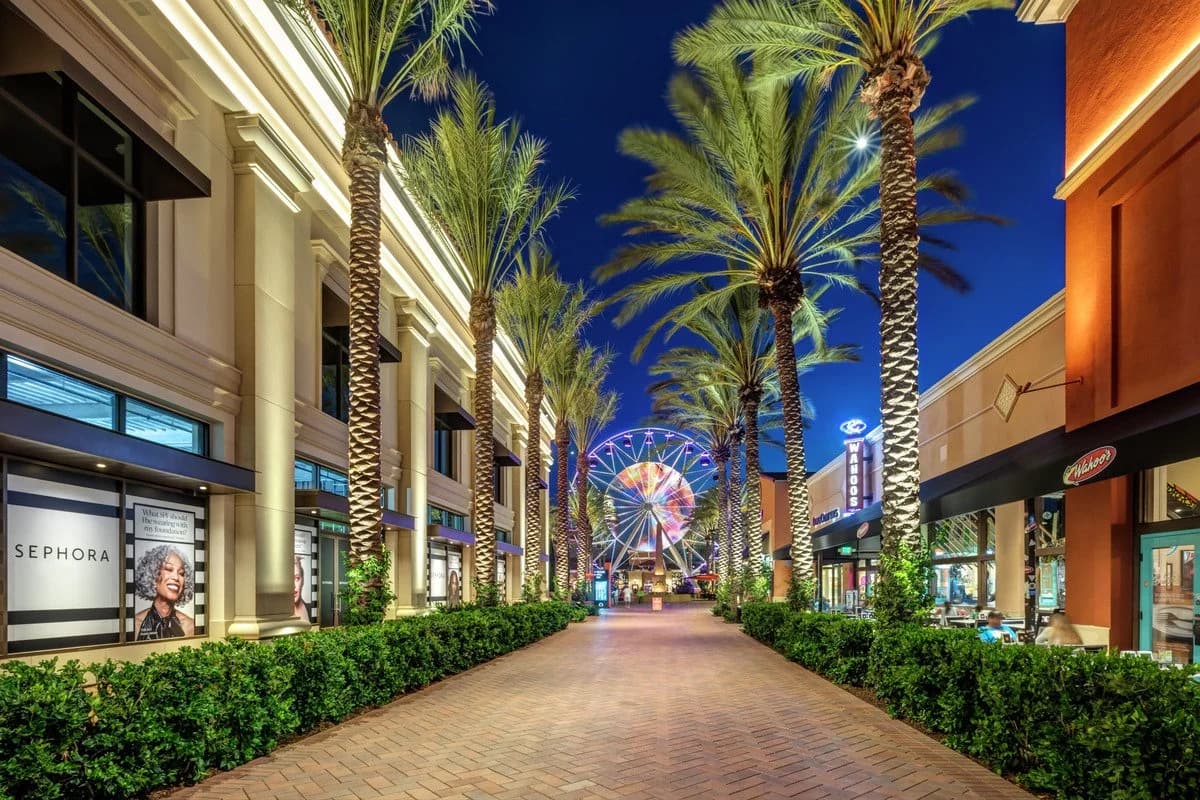
Outdoor shopping centers have emerged as a resilient and dynamic segment within the retail real estate market. Long valued for their accessibility, convenience, and adaptability, these spaces are redefining the traditional retail experience. Despite economic uncertainty and rising costs, outdoor shopping centers present compelling opportunities for investors and developers.
Current Market Trends Driving Growth
Tight Supply and High Demand
The Q4 2024 U.S. retail availability rate was just 4.7%, with only 4 million sq. ft. of new completions, 52% lower than the previous quarter. This historically tight supply environment supports strong fundamentals for existing outdoor center owners.
Strength of Regional Markets
13 markets recorded over 1 million sq. ft. of positive net absorption in Q4 2024, with notable performances including Albuquerque at 7.1% annual rent growth and Boston at 6.7%.
Resilience Amid Health Crises
Outdoor centers maintained tenant retention during COVID-19 due to their open-air designs, which allowed continued operations during periods when enclosed environments faced restrictions.
Consumer Preferences for Experiences
Centers now feature dining, entertainment, wellness, and co-working spaces beyond traditional retail, responding to the broader shift toward experience-driven consumer behavior.
Factors Supporting Outdoor Shopping Center Investments
Shift Towards Experiential Retail
Experiential retail blends leisure and commerce, offering cafes, restaurants, boutique stores, and entertainment experiences under one roof, or rather, under the open sky. These centers create reasons to visit that go beyond mere transaction.
Economic and Demographic Trends
Population migration to suburban areas continues to drive demand. Houston saw 2.4 million sq. ft. of construction on a rolling-four-quarter basis, reflecting the connection between residential growth and retail investment.
Impact of E-Commerce Adaptation
Rather than fighting e-commerce, successful outdoor centers have adapted. Many now adopt "click-and-collect" models and host hybrid businesses that operate both online and in-person, turning the physical location into a fulfillment and brand touchpoint.
Rising Rents and Asset Value Growth
The average year-over-year rent is up 2.5% to $23.80 per sq. ft., reflecting landlord pricing power in a supply-constrained environment.
Controlled Supply and Construction Costs
Financing constraints and material shortages limit new construction, benefiting existing properties. With limited new inventory coming to market, well-located outdoor centers can sustain occupancy and grow rents.
Case Studies
Legacy West – Plano, Texas
Combines retail, dining, entertainment, and office spaces as a mixed-use community hub. The development has achieved high occupancy and demonstrates the power of integrating multiple uses to drive consistent traffic across different times of day and week.
The Grove – Los Angeles, California
Its open-air design, luxury focus, and event-based programming allow it to compete successfully against e-commerce competitors. The Grove has become a destination in itself, drawing visitors who come for the experience as much as the shopping.
Santana Row – San Jose, California
Integrates retail, residential, and lifestyle amenities, appealing to tech workers and Silicon Valley professionals. The live-work-play model keeps the center activated throughout the day and evening, supporting tenant performance and landlord NOI.
Regional Growth Patterns
- Midwest markets contributed 7.2 million sq. ft. of net absorption in 2024
- Western cities like Las Vegas and Orange County show strong absorption and rent growth
- Texas completed 6.9 million sq. ft. of retail in 2024, reflecting continued population-driven demand
Actionable Recommendations for Investors
- Focus on secondary markets with strong absorption and rent growth where entry pricing is more attractive than primary markets
- Diversify tenant mix with restaurants, fitness centers, and entertainment to drive traffic and reduce e-commerce exposure
- Adopt technology integration including mobile apps, analytics, and digital directories to enhance the shopper experience and improve tenant performance visibility
- Leverage mixed-use development combining retail, residential, and office to create 24-hour activity and reduce single-use risk
- Monitor regulations and diversify investments across markets to manage policy and zoning risk
- Invest in regions with lagging development and high demand: markets where population growth has outpaced retail construction offer the best supply-demand dynamics
Conclusion
Outdoor shopping centers offer a compelling investment avenue in a market defined by limited supply and surging demand. The sector combines traditional retail with innovation, embracing technology, experience, and mixed-use programming to stay relevant in a changing consumer landscape. For investors positioning themselves in a versatile and resilient sector, outdoor shopping centers deserve serious consideration.
Frequently Asked Questions
- Are outdoor shopping centers a good investment given the growth of e-commerce?
- Outdoor shopping centers have adapted to e-commerce rather than competed with it. Many now host click-and-collect models and hybrid businesses that use the physical location as a fulfillment and brand touchpoint. Tight supply, averaging a 4.7% availability rate in Q4 2024, and rising rents support the investment case.
- What market conditions support outdoor shopping center investments right now?
- Supply is historically constrained. Only 4 million sq. ft. of new retail completed in Q4 2024, 52% below the prior quarter. Average rents are up 2.5% year-over-year to $23.80 per sq. ft. and 13 markets posted over 1 million sq. ft. of positive net absorption in Q4 2024.
- Which regions offer the best opportunity for outdoor retail investment?
- Secondary markets with strong absorption and rent growth offer more attractive entry pricing than primary markets. Specific performers include Albuquerque at 7.1% annual rent growth, Boston at 6.7%, and Texas, which completed 6.9 million sq. ft. of retail in 2024 driven by population growth.
- How do outdoor shopping centers reduce e-commerce risk for investors?
- They diversify tenant mix with restaurants, fitness centers, and entertainment, which creates traffic that online retail cannot replicate. Experiential programming turns the center into a destination, reducing dependence on any single retail category.