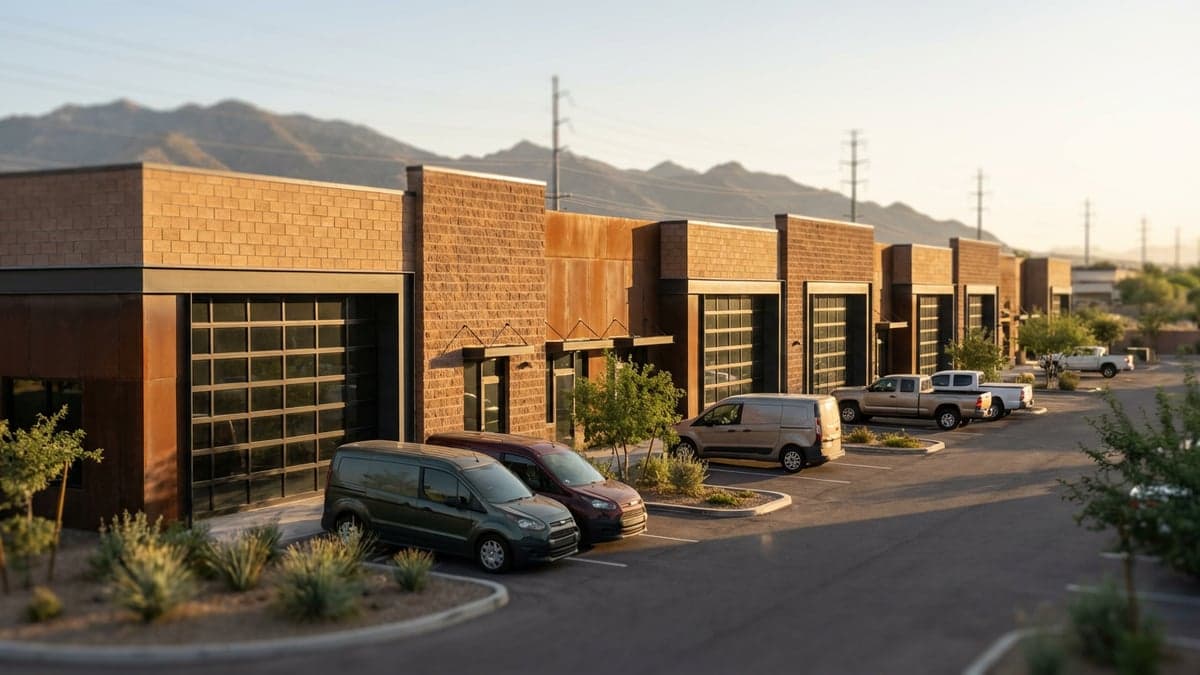
Investing in small suite properties, especially those designed for "mom and pop" enterprises in small bay industrial spaces and retail spaces, delivers measurable economic impact and opportunity. These high-demand assets are at the intersection of entrepreneurship, community building, and resilient cash flow. This white paper analyzes the economic impact of small businesses, outlines specific benefits for incubator tenants, presents real-world case studies, and offers data-driven growth trends, providing actionable insights for real estate investors seeking value-add opportunities in the Southwest and Mountain West regions.
Introduction to Small Suite Investments
Small suite properties, including small bay industrial and retail spaces, are tailored to support local, independent businesses. These commercial properties are a catalyst for economic development, innovation, and investment stability.
Economic Impact of Small Businesses
Small Businesses Drive the Economy:
- Contribute ~44% of U.S. GDP (Gross Domestic Product)
- Employ nearly 50% of the private workforce
- Represent over 99% of all U.S. businesses
Community Roots:
- Enhance local identity
- Deliver agile solutions to market needs
- Bolster regional resilience
Investment Opportunity: Investors can access stable income and growth by aligning with the needs of small businesses in small suite environments.
Key Benefits for Incubator Tenants
Small suite properties in industrial and retail segments provide these advantages to "mom and pop" tenants:
Security:
- Modern surveillance and controlled access systems
- Reduced operational risks
Flexible Leasing:
- Shorter lease terms and low upfront costs
- Scalable options fit for startups and growth-stage companies
Community and Collaboration:
- Shared spaces encourage networking and cross-promotion
- Boosts tenant retention and local engagement
Versatility:
- Spaces for light manufacturing, warehousing, studios, workshops, boutiques, and niche retail
Case Studies: Success in Small Suite Spaces
The Brewery Collective – Denver, CO
Multiple craft breweries collaborate in a small bay industrial property. Flexible leasing and shared amenities anchor the site, which has become a hub for tourism and local economic activity.
Artisan Alley – Asheville, NC
A cluster of small retail suites leased to local artisans revitalized an old industrial site with a sustainability focus. The development significantly increased neighborhood foot traffic and tourism.
Growth Projections & Market Trends
Surging Demand for Small Bay Spaces
E-commerce logistics and last-mile delivery are fueling 7–8% projected annual growth over the next five years.
Entrepreneurial Surge
New business formations are up 24% since 2020.
Resilient Local Economies
Regional incentives, tax benefits, and consumer preference for local support robust, long-term tenancy.
Why Invest in Small Suite Properties?
Consistent Rental Income: Diverse, stable tenant bases minimize risk.
Low Vacancy, High ROI: Demand for small bay and retail spaces outpaces availability in high-growth regions like the Southwest and Mountain West.
Community Impact: Investments contribute to economic diversity and local vitality.
Scalable Growth: Properties suit a spectrum of tenants, supporting rapid market adaptation.
Unlock Exclusive Investment Opportunities with VAC Development
At VAC Development, we don't just develop small suite properties. We deliver strategic, value-add assets that fuel local economies and drive exceptional returns. With a commanding presence in the Southwest and Mountain West regions, our expertise transforms overlooked spaces into high-growth investment opportunities.
Why choose VAC Development?
- Proven record of converting small bay assets into dynamic, income-producing centers
- Market intelligence that finds upside where others see status quo
- Relentless pursuit of ROI for every client and investor
Summary
Investing in small suite properties empowers entrepreneurs, strengthens local economies, and unlocks unmatched value for discerning real estate investors. With robust demand and a proven business model, these properties represent one of the most compelling opportunities in America's commercial real estate landscape, especially across the Southwest and Mountain West regions.
Frequently Asked Questions
- Why are small suite properties a stable investment in commercial real estate?
- Small suite properties serve a tenant base, small and independent businesses, that makes up over 99% of all U.S. businesses and drives roughly 44% of GDP. That breadth of demand, combined with limited supply of appropriately sized space in high-growth markets, supports low vacancy rates and consistent income.
- What types of businesses typically lease small suite industrial or retail spaces?
- Tenants include light manufacturers, e-commerce fulfillment operators, workshop and studio users, craft producers, boutique retailers, and niche service businesses. The flexible formats suit startups as well as established small companies that need space without long-term commitments.
- How does the growth in e-commerce affect demand for small bay industrial properties?
- E-commerce logistics and last-mile delivery are projected to fuel 7 to 8% annual growth in demand for small bay spaces over the next five years. As fulfillment moves closer to end consumers, smaller industrial units in infill locations become more valuable.
- What makes small suite properties attractive in the Southwest and Mountain West?
- Demand for small bay and retail space outpaces available inventory in those regions, which keeps vacancy low and supports strong returns. Regional incentives, tax benefits, and consumer preference for local businesses reinforce long-term tenancy.